Filling a hospitality shift is only half the job. A hospitality temp agency scheduling platform helps an agency match eligible workers to venue requirements, publish rotas, coordinate dispatch and carry approved hours through timesheets, invoicing and reporting. That connects the work from booking to the records managers need.
You still need the right person in the right role, with shift details clear and changes passed on promptly. This article explains how platforms support worker matching, shift allocation and dispatch, then bring timesheet sign-off, invoicing and reporting into the same workflow. You’ll also see how compliance records and booking rules can fit into the process, and what to consider when choosing a platform for a UK hospitality agency.
- Match workers to venue needs by weighing role requirements, availability and relevant experience.
- Connect recruitment records with rota planning to keep candidate and shift information organised.
- Keep dispatch details and updates together so coordinators can follow bookings and changes.
- Assess how an online platform fits your agency’s workflow, from hiring decisions to recurring shifts.
Matching workers with venues and roles
In Great Britain, temporary staffing businesses are covered by the Employment Agencies Act 1973 and the Conduct of Employment Agencies and Employment Businesses Regulations 2003, according to the UK Government. The Agency Workers Regulations are the Agency Workers Regulations 2010, according to the UK Government. The UK Government states statutory paid annual leave under the Working Time Regulations is 5.6 weeks annual. Right-to-work checks affect eligibility; agencies should use current UK guidance when setting their procedures.
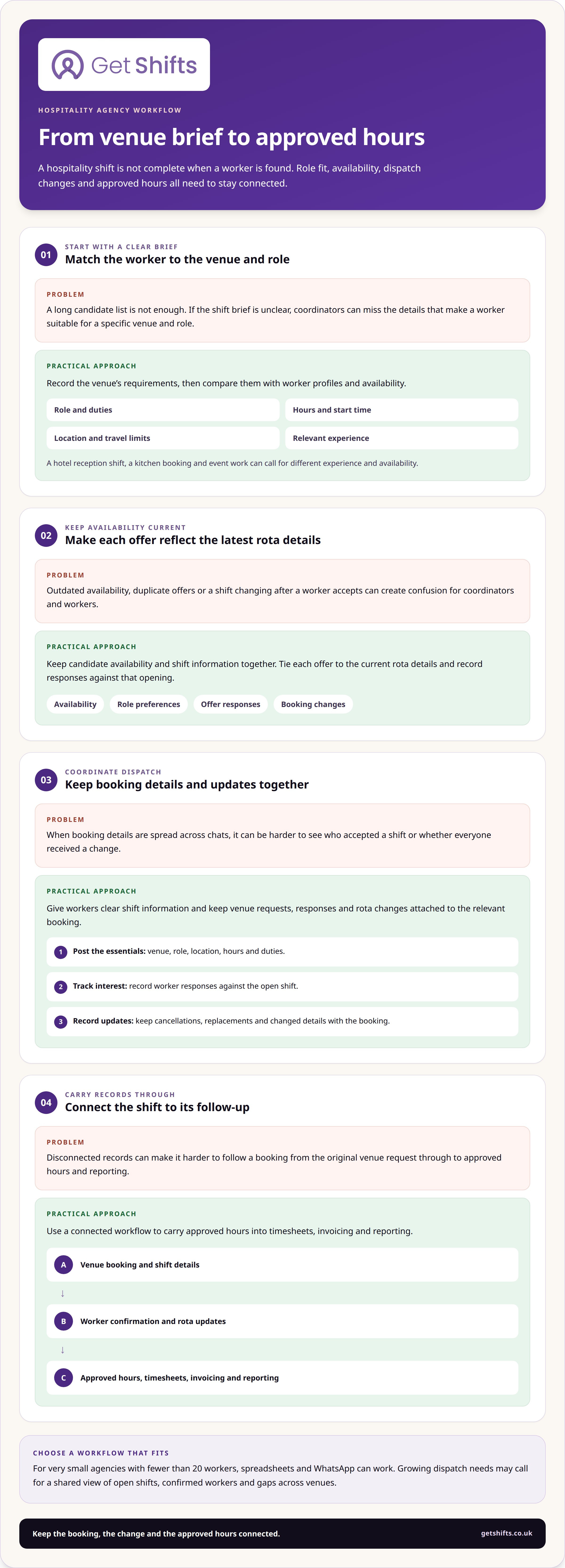
For temporary hospitality and event roles, start with the venue’s brief. A hotel may need a receptionist for a late shift, while a wedding venue may request waiting staff for an event. Record the role, hours, location and required experience, then compare these details with workers’ availability and profiles. This gives coordinators a clear basis for offering suitable shifts instead of sending every request to every worker.
Venue requirements vary by location and service. A restaurant may prioritise workers who can get to an evening shift, while an event venue may need people with guest-service or food-service experience. For weekly rota planning, group roles by location, skills and availability. This helps coordinators identify potential matches for temporary bookings, seasonal demand and event cover, while keeping each shift’s start time and duties clear.
Agency hospitality roles can include front-of-house, kitchen, bar, reception and event work. Permanent recruitment is different: it concerns an ongoing vacancy rather than a temporary shift. Keep the two processes distinct in agency records. For example, don’t treat a worker available for weekend event shifts as a candidate for a permanent hotel reception post unless they have applied and meet the role’s requirements.
Hospitality shift scheduling and recruitment
Hospitality recruitment and rota planning connect candidate records with venue demand. A clear process helps agencies fill shifts while tracking worker availability and role requirements.
Recruitment ATS and CRM Features
An applicant tracking system (ATS) organises applications through recruitment stages, while a customer relationship management (CRM) system records interactions with candidates and clients. Useful recruitment CRM features include searchable profiles, interview notes, availability, role preferences and communication history. These records help coordinators find suitable people without relying on memory or scattered messages.
For recruitment across the UK, record each worker’s preferred locations and travel limits. When searching for a relief chef, for example, prioritise kitchen experience, availability and proximity to the venue. Effective matching starts with a clear role brief, not simply a long candidate list.
Shift-Filling Speed and Worker Availability
How quickly a UK venue fills a shift depends on the role, location, notice and available workers. Compare platforms by how clearly they show current availability, share suitable openings and record responses. Don’t assume one service time applies to every booking.
Coverage and support vary by agency, so compare the locations served and how coordinators handle changes. Common problems include outdated availability, duplicate offers and a worker accepting a shift that has since changed. Keeping each offer tied to current rota details helps prevent confusion.
Choosing and Getting Set Up with a Platform
Choose a hospitality staffing platform that fits your recruitment stages and shift workflow. Check whether it can organise candidate profiles, interview decisions, role requirements, venue details and repeat booking patterns in a way coordinators can use. A good fit should make handovers clearer, not create another disconnected record.
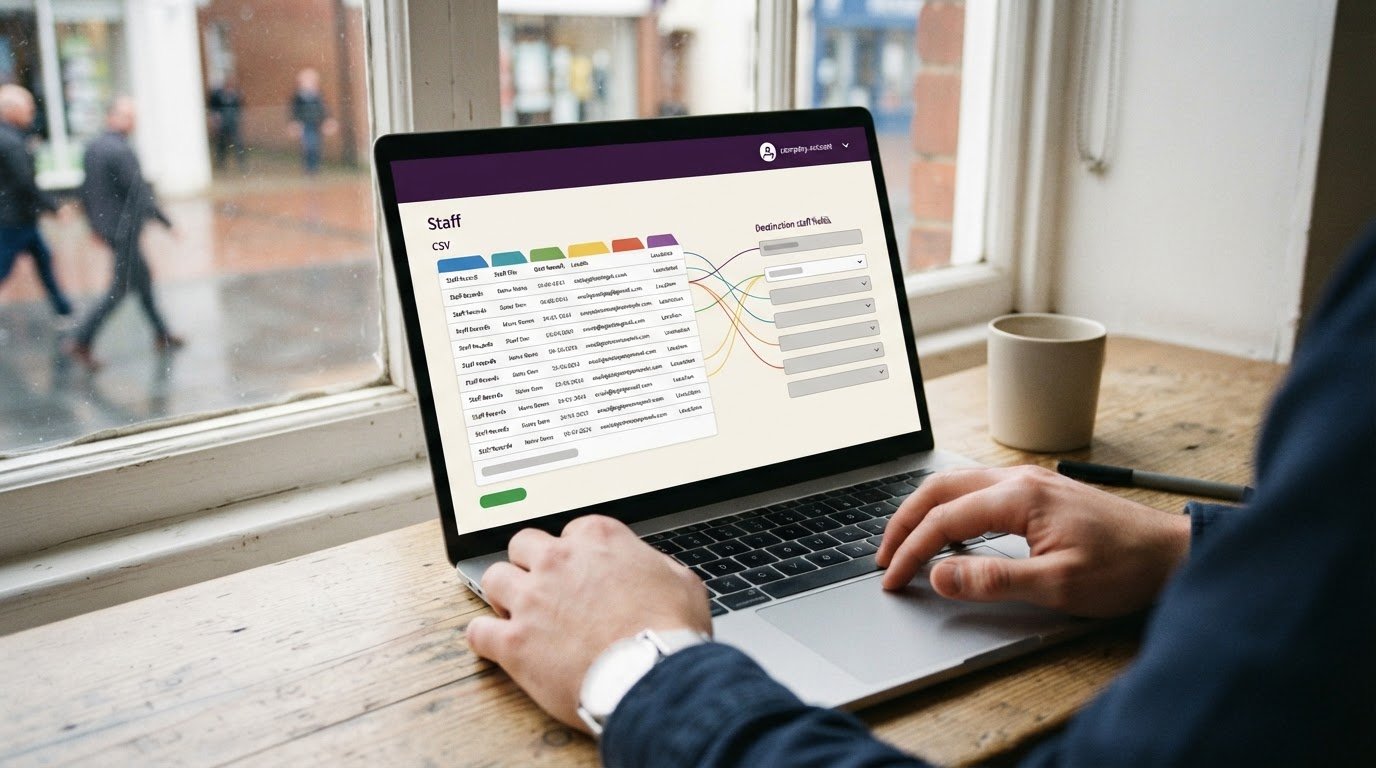
For set-up, provide role types, venue locations, shift information, recruitment stages and the details needed to assess worker suitability. Agree how availability and rota changes will be recorded, then test the workflow with a familiar example, such as a relief chef booking. You can explore recruitment and applicant tracking as part of that process.
Operations software for shift dispatch and worker coordination
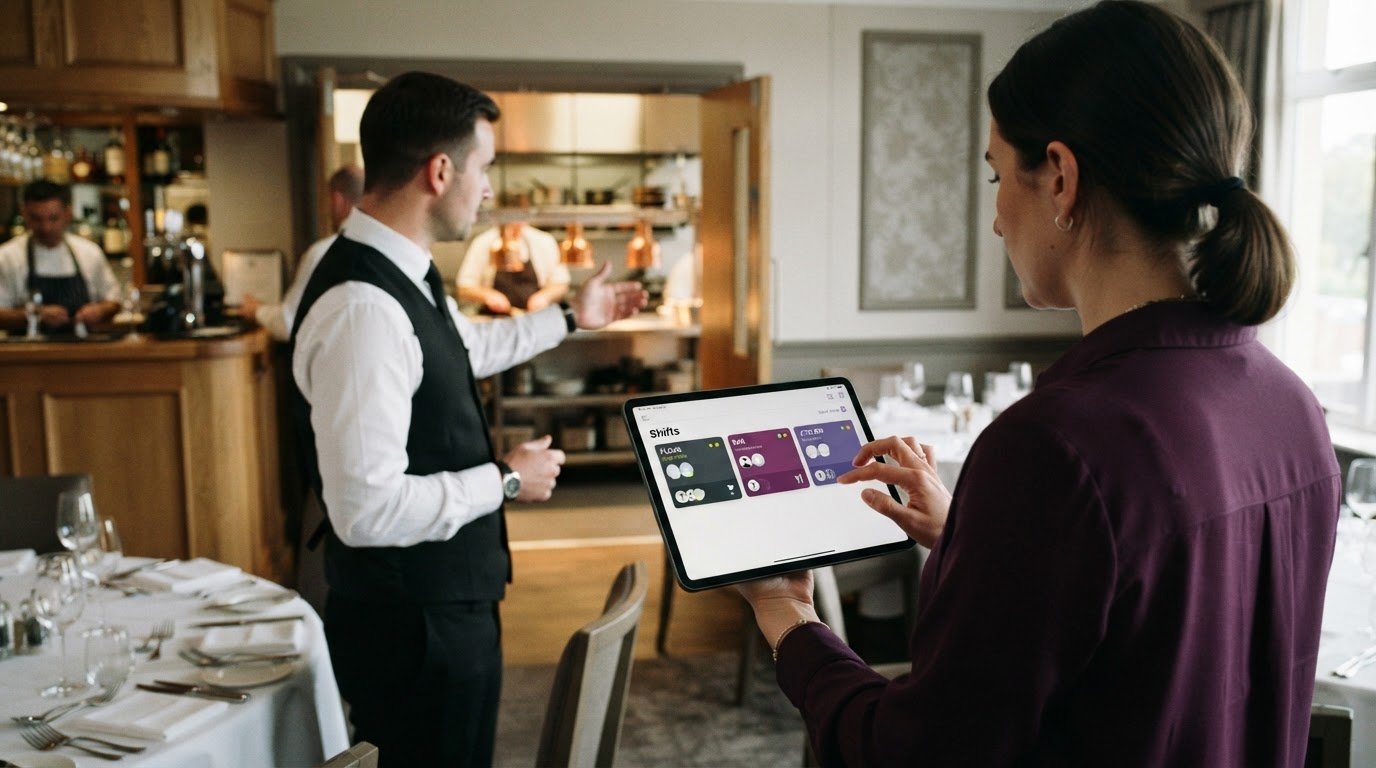
Platforms with worker mobile apps let hospitality agency staff view and pick up shifts. Mobile staffing platforms such as LetME show how digital tools can streamline this process by connecting venues with vetted hospitality personnel. Dispatch tools also help coordinators keep venue requests, worker responses and rota changes together.
Shift Posting and Candidate Applications
A shift post should clearly state the venue, role, location, hours and duties. A restaurant, for example, may need a catering assistant for evening service, while an event venue needs staff for a weekend reception. Workers can review suitable openings and express interest. Coordinators can then track responses against each vacancy instead of piecing applications together from separate messages.
Scheduling Dashboard and Shift Management
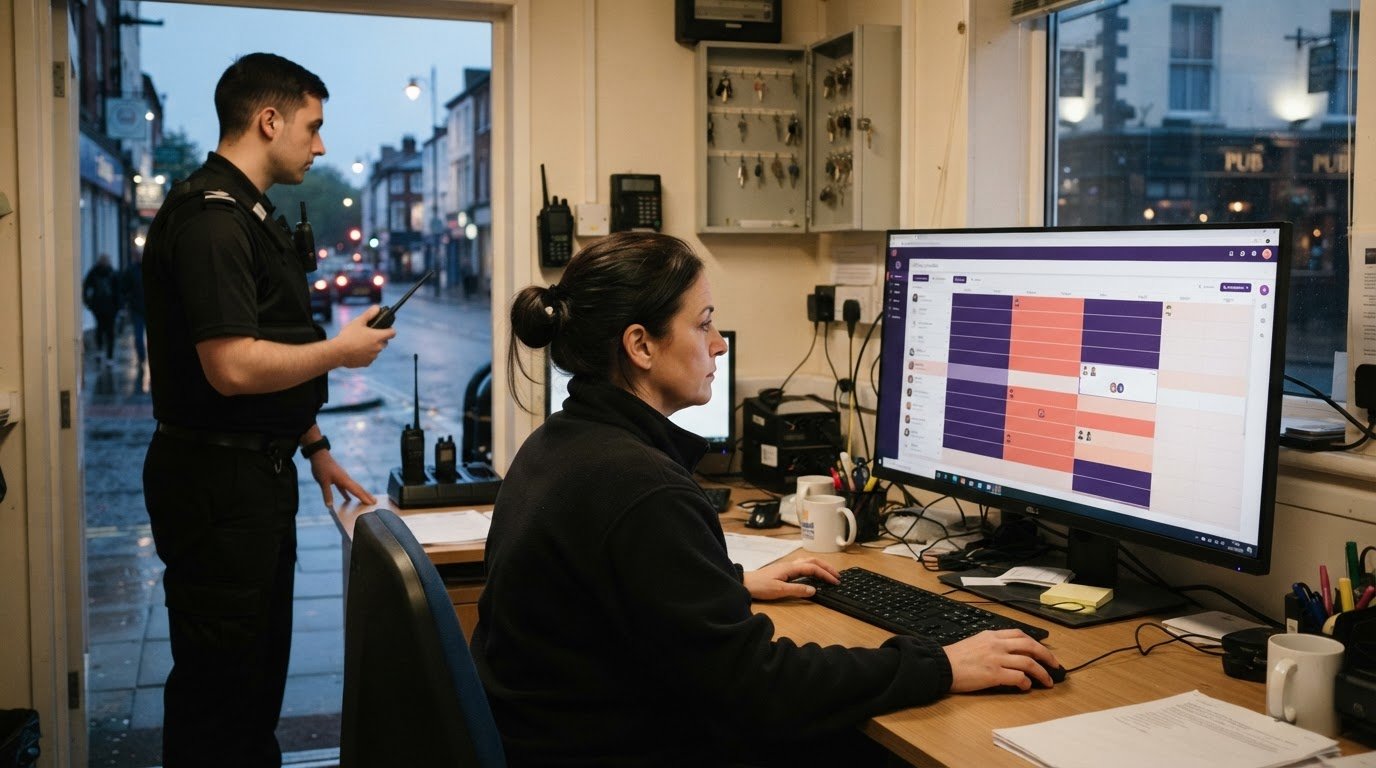
A scheduling dashboard gives coordinators a view of open shifts, confirmed workers and gaps across venues. A staffing grid can make overlapping restaurant and event requirements easier to spot. Keep changes attached to the relevant shift, including cancellations and replacements, so the rota reflects the latest arrangement. For very small agencies with fewer than 20 workers, spreadsheets and WhatsApp can work; growing dispatch needs may call for a shared view.
Worker Communication and Shift Claiming
Before accepting a shift, workers need clear details: venue location, start time, role and practical instructions. Open shift broadcasting shares available work with eligible workers, while in-app messages, email or push notifications can communicate updates. WhatsApp may be convenient for a quick message, but spreading booking details across chats can make it harder to see who accepted or whether everyone received a change.
Online Scheduling and Mobile App Access
Agencies choose their own systems, so mobile access depends on the platform they use. Compare whether workers can view rota information and respond to shift offers through a mobile app, and whether coordinators can manage bookings online. A worker mobile app can keep shift information accessible alongside the agency’s online workflow. Check how the process handles a changed start time or an unfilled restaurant shift, not just a routine booking.
What hospitality staffing agencies in the UK offer online scheduling platforms?
Hospitality staffing agencies can use online platforms to manage venue bookings, worker availability and shift confirmations. The platform supports the agency’s service; it does not supply hospitality staff. Venues looking for an agency should look for a clear booking process and a way to understand how shift requests are handled.
Start by checking coverage. An agency serving restaurants in one part of the UK may not cover a venue elsewhere, so check the locations and hospitality roles it handles. Find out how a venue submits a shift request, how the agency confirms a booking and where it records changes. A defined process makes it clear who to contact when a start time or staffing requirement changes.
Next, review the steps workers follow. An online system might let staff view available shifts and request a booking, while coordinators manage confirmations and rota details. For example, a hotel requesting a breakfast worker needs to provide the role, location and hours. The agency then needs to communicate the booking outcome and any updates clearly.
Support matters when an event booking changes or a worker becomes unavailable. Find out how the agency handles cancellations, replacement requests and questions about an active shift. A platform can organise information, but clear communication between the venue, agency and worker remains important. Compare the booking process itself, not just whether there is an app or portal.
Very small agencies with fewer than 20 workers may manage shifts through spreadsheets and WhatsApp. As overlapping venue requests increase, a shared online workflow can make open bookings and confirmed cover easier to review. Consider how each agency handles shift requests, worker responses and changes, then choose the arrangement that fits your venues and booking patterns. Explore online rota management to see how a digital workflow can organise bookings and shift records.
Compare agencies by the locations and hospitality roles they cover, how workers view and request shifts, and how coordinators confirm bookings and manage rota changes. Check their process for cancellations, replacement requests and questions about active shifts too. Support and communication matter as much as the platform.
Look for UK hospitality staffing agencies that use an online system to manage venue bookings, worker availability and shift confirmations. Some systems let workers view and request shifts while coordinators handle confirmations and rota details. Smaller agencies may instead rely on spreadsheets and WhatsApp.
Get Shifts: Interview Scheduling & Hire Decisions
Get Shifts helps staffing agencies manage interview scheduling and hiring decisions alongside their wider operations. If your hospitality recruitment and shift planning are handled separately, the platform can bring these agency tasks together.
Get Shifts includes a hospitality sector pack to support agency operations in this sector. Shift templates and repeat patterns can help organise recurring bookings, such as regular restaurant cover. These tools support hiring decisions and shift arrangements, but the software does not supply temporary staff or provide recruitment as a service.
If you want to discuss how Get Shifts could fit your agency’s workflow, contact Get Shifts.
Make your next staffing decision easier
Start by identifying where coordination takes the most effort. Is it turning a venue request into a confirmed booking, keeping rota changes visible or offering open shifts to eligible workers? Pinpointing the bottleneck helps you assess whether a platform fits your agency’s workflow, during both seasonal peaks and quieter periods.
Get Shifts provides Staffing Agency Management Software with Shift Booking & Rota Management and Open Shift Broadcasting to Eligible Workers. A hospitality temp agency scheduling platform should support how your team manages bookings and worker responses while keeping the process clear for coordinators. Focus on the workflow your agency needs to improve, rather than choosing tools by feature count alone.
Ready to discuss your agency’s staffing workflow? Contact Get Shifts to explore whether its software fits your needs.
Frequently Asked Questions
Looking for hospitality staff?
If you need hospitality staff, Get Shifts is not a staffing agency and does not supply workers or vacancies. It provides software for agencies managing temporary staffing. A venue seeking cover should use its agency’s booking process and have the role, location, shift times and key requirements ready. Agencies can use the platform to organise bookings and coordinate their own workers.
Do I need an ATS to run a temp staffing agency?
No. An applicant tracking system (ATS) isn’t essential, but it can help organise recruitment. It keeps candidate applications and recruitment stages together, so coordinators can track interviews and hiring decisions instead of relying on scattered inboxes. For example, an agency recruiting relief chefs can use a consistent process to record applications and interview outcomes. Its value depends on how your agency manages its candidate pipeline.
What’s the difference between staffing software and scheduling software?
Scheduling software focuses on shifts and rotas. Staffing software can cover a broader agency workflow, including client bookings and worker records alongside recruitment and shift management. A rota tool, for example, might show who is assigned to a hotel shift, while broader staffing software can also hold the client’s booking details and the worker’s profile. Compare platforms by the tasks your team needs to manage.
How do hospitality temp agency scheduling platforms work for venues and temporary workers?
A venue sends a shift request to its agency, which reviews the role, location, hours and staffing needs. The agency identifies suitable, available workers and shares the opening for responses. Workers review the details and accept or request the shift through the agency’s process. The agency confirms the booking and communicates any changes, keeping the venue and worker aligned on the agreed shift.
What features should a UK hospitality temp scheduling platform include, such as compliance checks and timesheets?
Useful functions include worker document and expiry tracking, booking rules, digital timesheets with client sign-off, and clear records of shift changes. These tools can help organise records; they do not carry out right-to-work or background checks. Consider whether the workflow suits your venues and the records your agency needs.
How do leading UK hospitality temp agency platforms compare on coverage, worker availability and support?
Coverage and support vary by agency, so compare the locations and hospitality roles served, how current worker availability and responses are tracked, and how coordinators handle cancellations, replacements and live-shift questions. The article does not identify or rank specific platforms.